RSS Feed

Tag Archives: quick

Basic Buttermilk Biscuits & Sausage Gravy


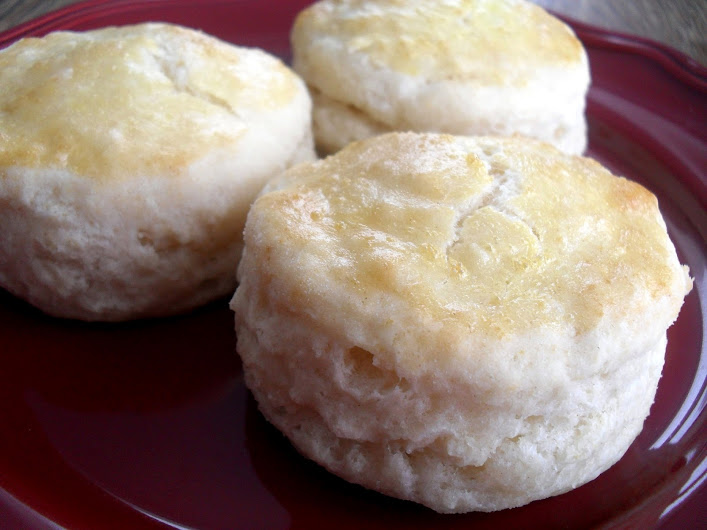
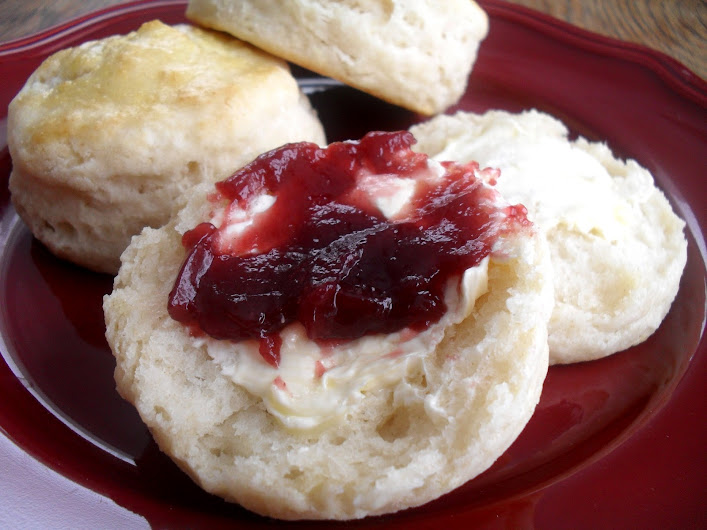
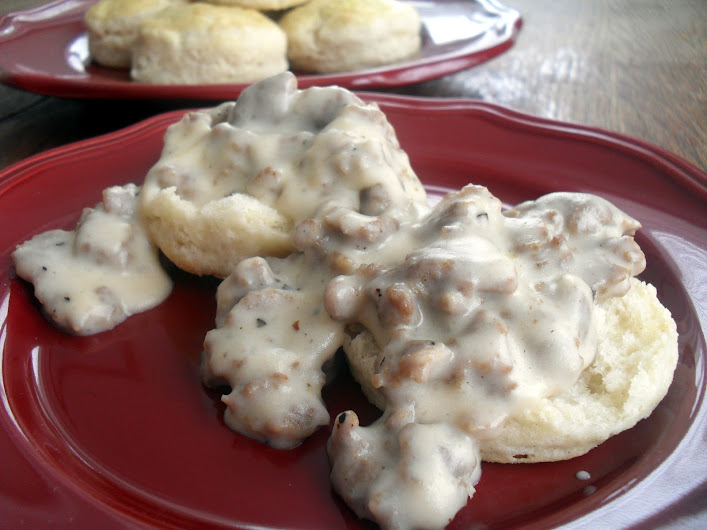
Happy Monday, my Cornicopi-cats! :)  Today I was just going to share my basic recipe for buttermilk biscuits, but I figured you can’t have biscuits without sausage gravy. OK, so you can, you can have them plain, with butter, with jam, with honey, but once in a while you gotta get your sausage gravy on.  Is it a custom where you live to eat biscuits smothered in sausage or country gravy?  If not, you must try it, at least once.  This is straight up comfort food for me.

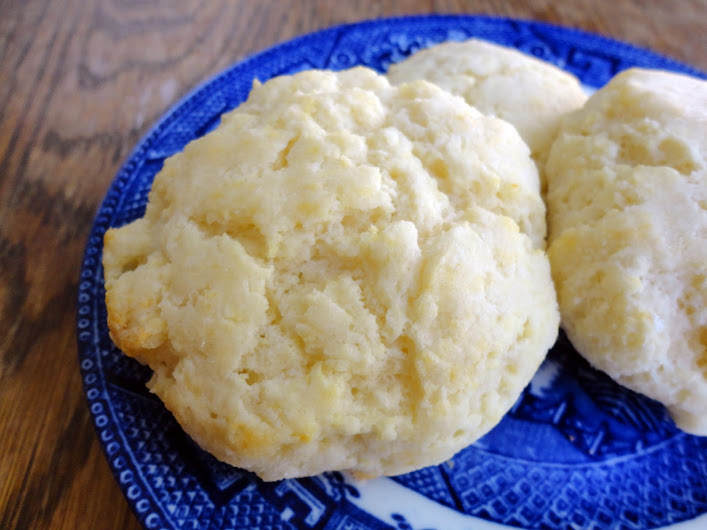
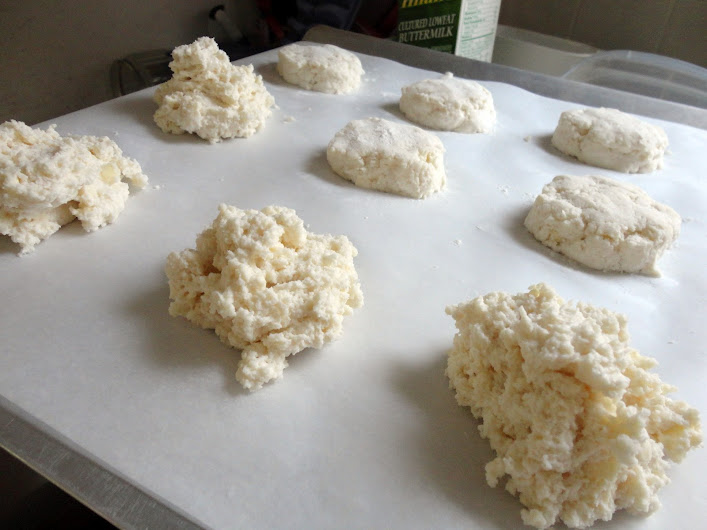
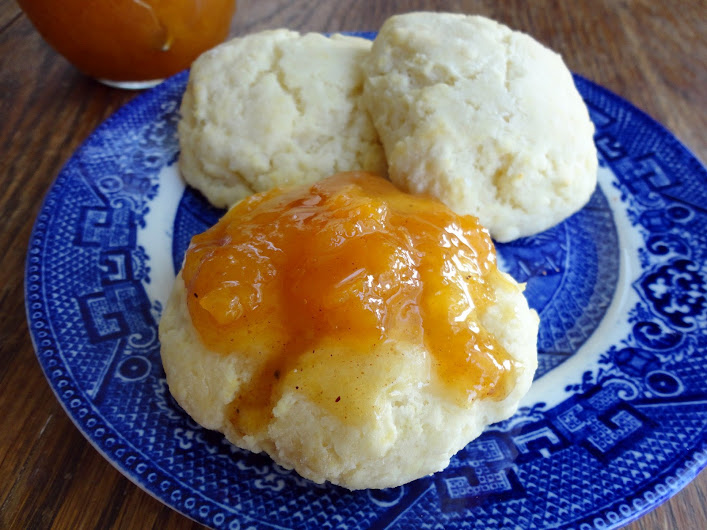
I make my biscuits two ways, depending on how much time I want to spend on them.  The first way includes a little bit of folding the dough over and then cutting into rounds. This yields a taller, layered biscuit.  The second way is just dropping the dough onto a baking sheet, then patting it into place with floured hands.  Either way, they are soft and so tender–some seriously good eatin’.

Basic Buttermilk Biscuits

Makes 8-10 biscuits
Printable recipe
Printable recipe with picture

1 ½ cups all-purpose flour
½ tablespoon baking powder
½ teaspoon baking soda
½ teaspoon salt
4 tablespoons cold unsalted butter
2 tablespoons vegetable shortening
¾ cup cold buttermilk

Preheat oven to 425 degrees and line a cookie sheet with parchment.

Measure the dry ingredients into a food processor or bowl and pulse once to combine. Pulse or cut in the butter and shortening until fats are the size of peas. Dump the contents into a bowl and stir in the buttermilk until dough is moistened.  You can pulse to combine in the food processor, but it is too easy to overwork the dough so I like to stir it in by hand.  At this point you can either 1) drop the dough in mounds the size of your choice onto prepared baking sheet. With floured hands, pat the tops and sides of the dough until they take on more of a shaped appearance.

Or 2) dump dough onto a floured surface and lightly flour the top.  Knead a few times (careful, don’t knead more than ten turns) and roll out to 1” thick.  Using a 2 ½” biscuit cutter or glass, cut out rounds going straight up and down without twisting the cutter, place on baking sheet, and brush tops with beaten egg if desired (this will make the tops golden but doesn’t change the flavor).  Bake for 10-12 minutes.  Serve warm with butter, jelly, or…

Suzie’s Sausage Gravy

Printable recipe
Printable recipe with picture

1 lb. good quality sausage roll, like Bob Evans
¼ cup all-purpose flour
2 cups milk
salt and black pepper to taste
Prepared biscuits

Crumble and cook sausage in large skillet over medium heat until browned. Stir in flour until dissolved. Gradually stir in milk. Cook gravy until thick and bubbly. Season with salt and pepper. Serve hot over biscuits. Refrigerate leftovers.

About these ads

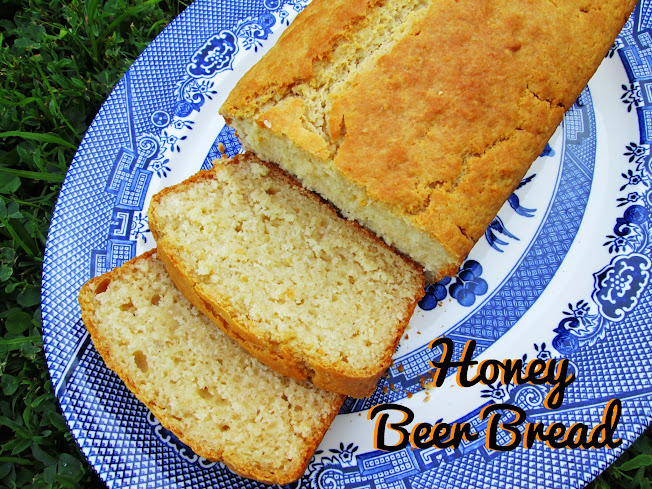
Buttery-Soft Beer Bread


One of my all-time favorite recipes on this blog is for Buttery Beer Bread, which is slightly sweet with a delicious yeasty flavor, and a thick, crunchy, and buttery crust.  The only downside to it is that it is best fresh from the oven and does not store well, so it’s a little hard to fit into a diet plan because we usually end up splitting the whole loaf between us and polishing it off in one sitting.  (Avoiding dry leftover bread is perfection justification for the overindulgence, no?)  If you’ve made this bread, you know that eating half a loaf of it is a lot easier to manage than one would imagine.  In the interest of trying to shrink our midsections, however, we try not to pull that stunt too often.

Deciding I needed a soft beer bread that stored well so that we could enjoy it for several days versus five minutes, I instinctively knew (well, hoped may be the better word) all I had to do was add an egg and blend the butter in with everything else instead of pouring it over the top.  And voilà!  I was right.  I love being right.  Especially when it results in something so delicious!

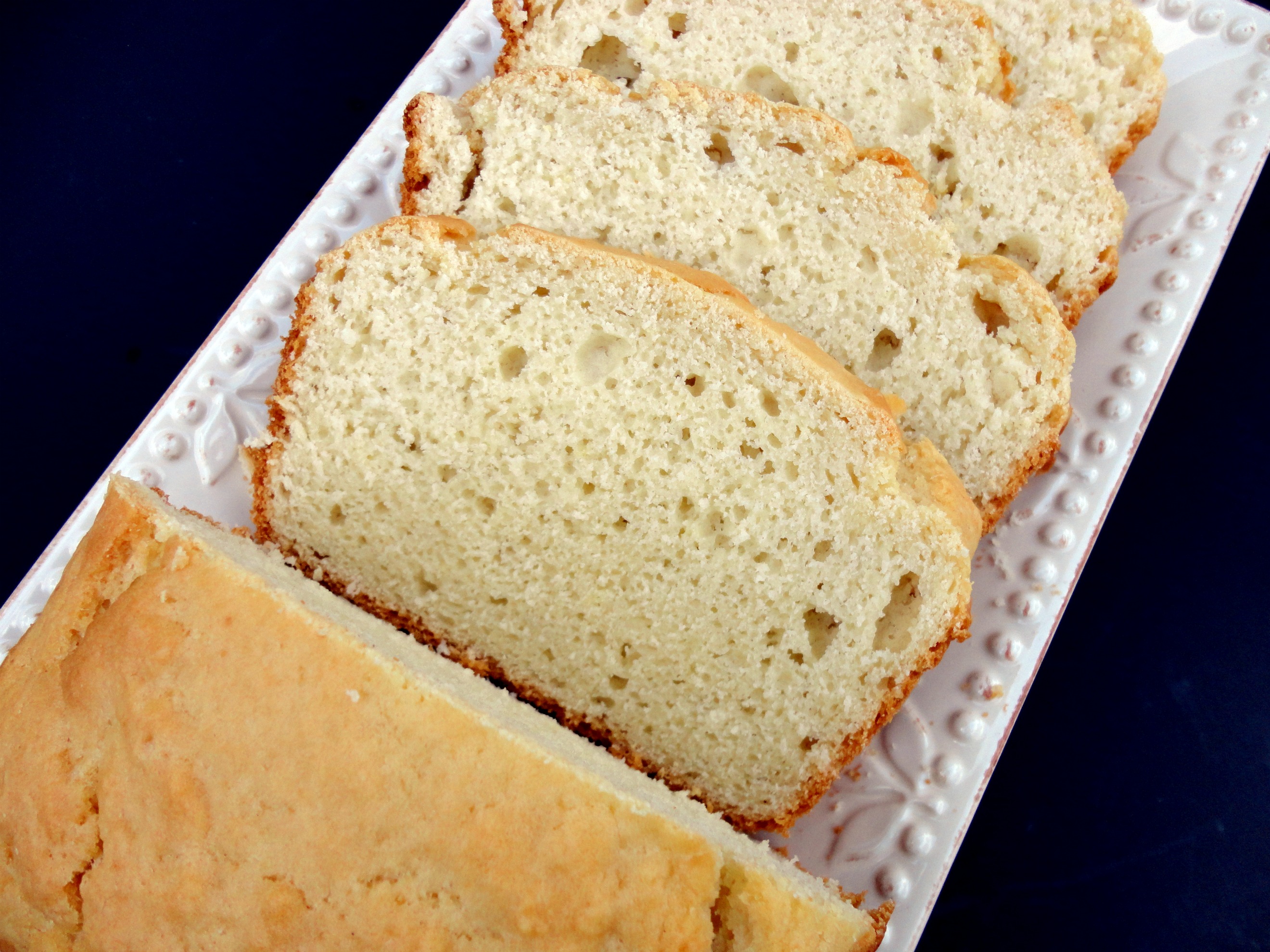
This bread has the same flavor I fell in love with in the original beer bread, the beer giving it a nice yeasty flavor despite this being a quick bread containing no yeast (another bonus-fresh bread in under an hour!).  But it is a million times prettier (smooth top versus major bumpiness), the texture is velvety soft when fresh from the oven, and the crust still has just a bit of that buttery crunch to it.  And it fulfills the reason for the modification: it stores well and stays soft and moist!

While I might still make the original if we have company over since there would be less risk of leftovers, and I adore that thick, crunchy & buttery crust, this is the one I’ll be making most often because the texture is so wonderful and its ability to stay that way upon storage robs me of the justification for polishing off an entire loaf in one sitting.  Which I may not be so thankful for, but my hips surely are.

*Despite this loaf storing well, we still ate half of it as soon as it was out of the oven, so I only had half a loaf (OK, maybe a little less than half, truth be told) to photograph the next day.  Sorry.  Our stomachs got in the way of the interests of my blog!  At least we didn’t eat the whole thing this time. At least not all at once.  :)

Buttery-Soft Beer Bread

Printable recipe
Printable recipe with picture

3 cups self-rising flour*
1/4 cup sugar
1 (12-oz) can beer
1 stick (1/2 cup) salted butter, melted
1 egg, beaten

Preheat oven to 375 degrees. Spray a loaf pan with cooking spray and set aside.

Whisk the flour and sugar together in a large bowl. Add beer, butter, and the egg, and whisk well to combine. Pour into the prepared pan and bake for 45-50 minutes or until golden brown. Remove from pan and cool on a wire rack for at least 15 minutes before slicing.

*I know it’s weird, but I really feel I get the best results using self-rising flour for this bread. However, if you do not have it, you can replace it with 3 cups all-purpose flour, 1 Tablespoon baking powder and 1 teaspoon salt instead. I recommend using a baking powder without aluminum, such as Rumford, particularly in this recipe since you need so much of it. The aluminum has an aftertaste and can foul up baked goods which call for quantities in excess of 1 teaspoon.

How To Make a Splatter-Proof Recipe Binder

Posted on

A couple years ago I got sick of the huge collection of recipes I had in different locations throughout my house.  A file in the filing cabinet marked “recipes.”  A couple binders with uncategorized hole-punched recipes that were falling out and splattered with batter and grease because I used the recipes so often.  A stack of them on my computer desk.  Fed up, I finally made a binder to keep my favorite tried-and-true recipes in.  The ones I make over and over again and want easy access to.

My friend, Teri, has a binder very similar and I just copied her idea to create my own.  I recently made a starter binder for a friend’s housewarming and took some pictures of the creation process so I could share this idea with you.
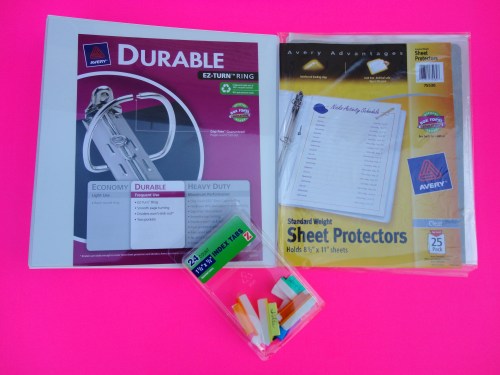
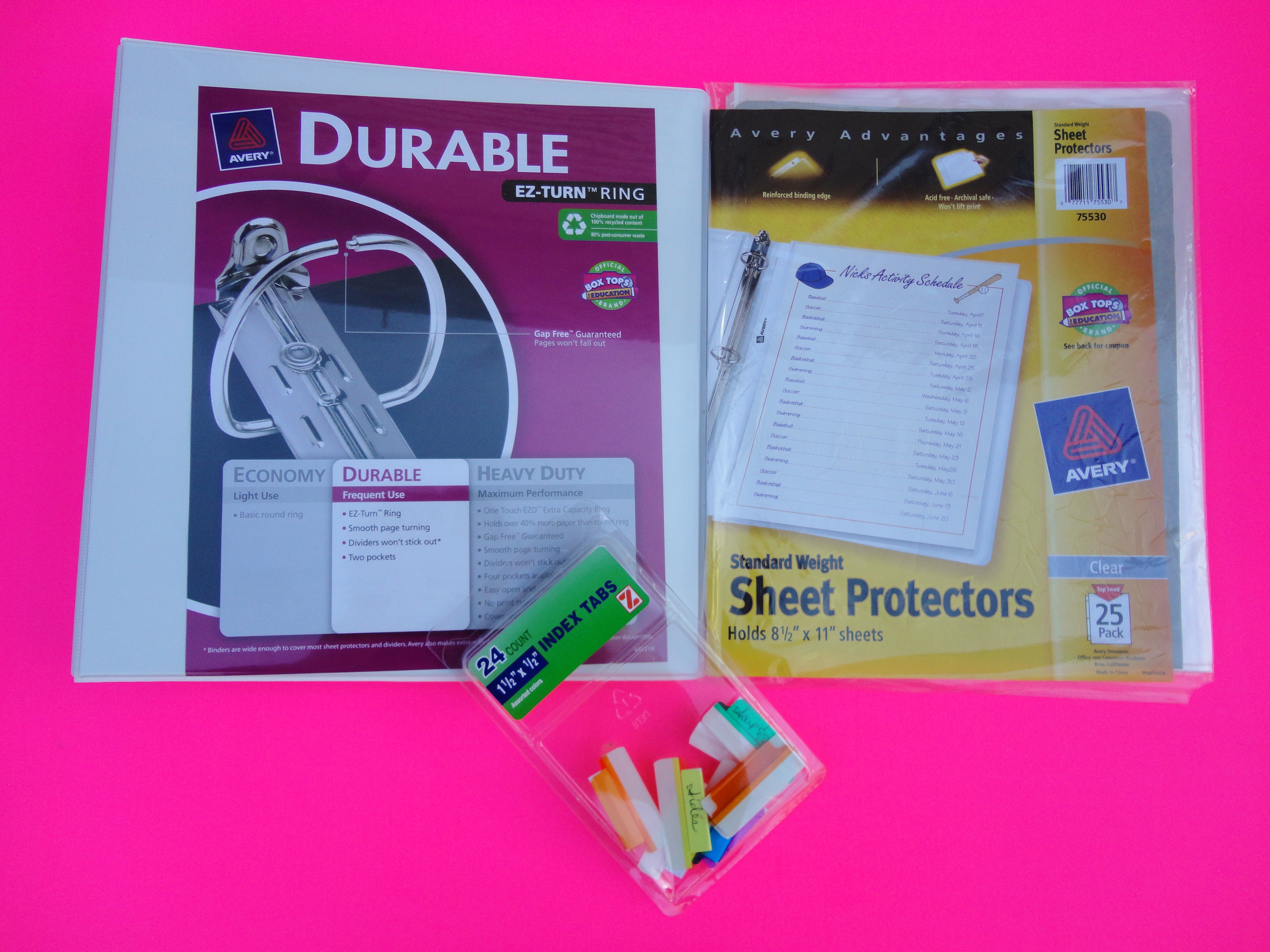
Supplies:

1 Presentation View Binder
Transparent Page Protector Sheets
Adhesive Index Tabs
Recipes printed on 8 1/2″ x 11″ paper

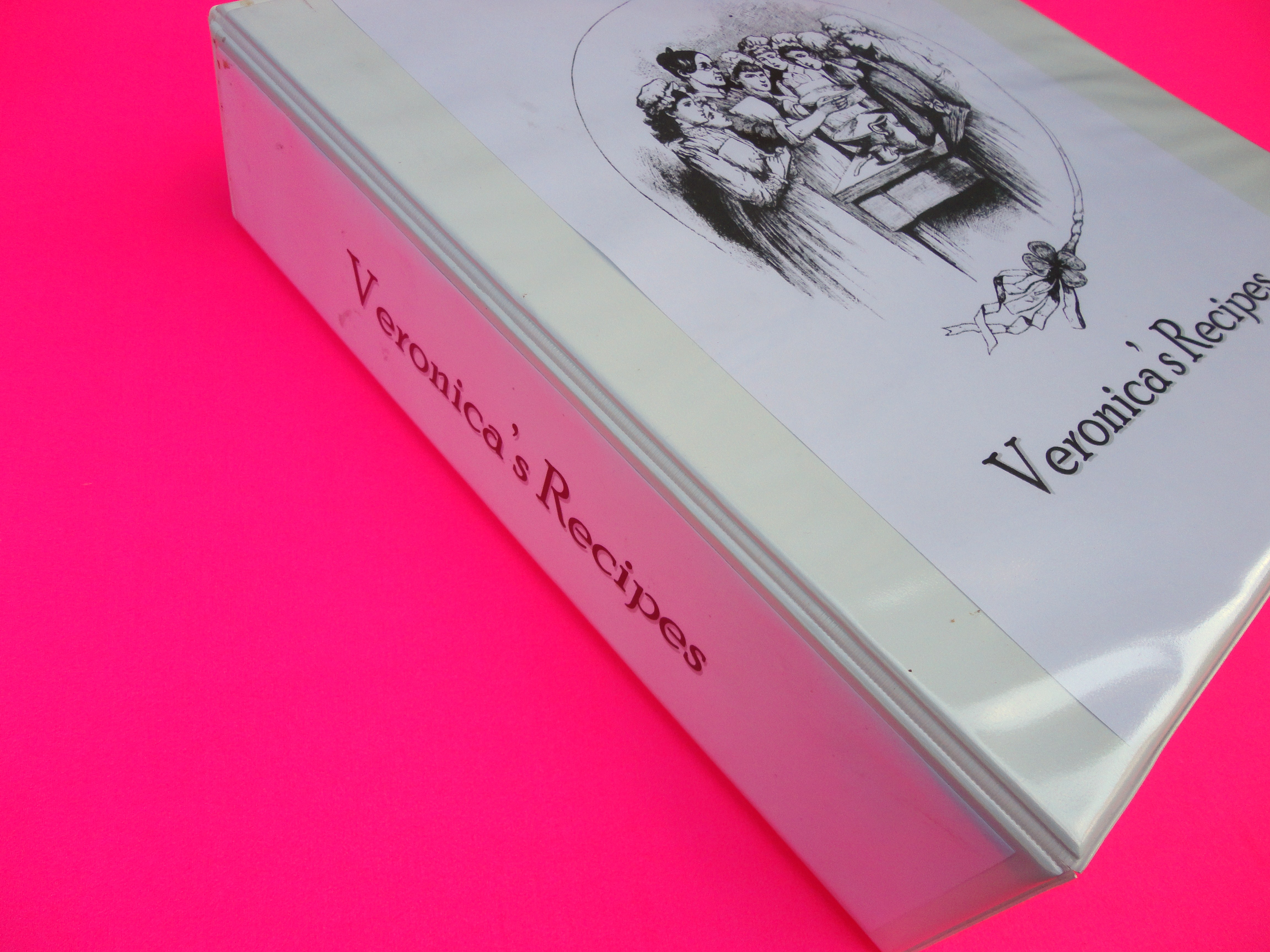
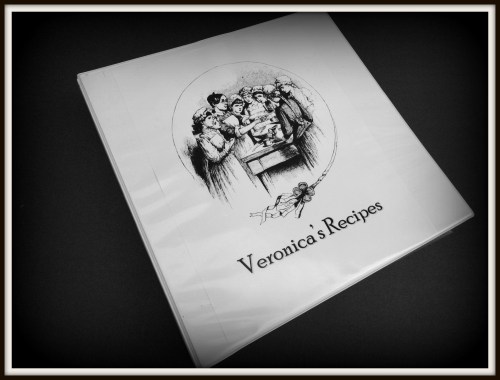
For this project, I like to use a binder that has a transparent sheet over the top so you can put a “Title Page” inside of it, of your own design. Using page protector sheets to hold the recipes works well for recipes you use often, because the clear plastic protects the recipe. If you splatter it, you can just wipe it clean before returning the recipe to the binder.  It is also more durable and the holes won’t tear as easily as a paper with holes punched in it.

First, write your recipe categories on the paper tabs that come in the index tabs box. Most everyone will use different categories, depending on the type of recipes they use.  For instance, I not only have a “Desserts” category in my own, but also divided desserts into three subcategories: cake, pie, and cookies.  These are the basic categories you might want to include, adding more if you need to:

Breads
Breakfast
Appetizers & Snacks
Soups & Salads
Main Dishes
Side Dishes
Desserts
Etc. (for beverages, condiments, etc.)
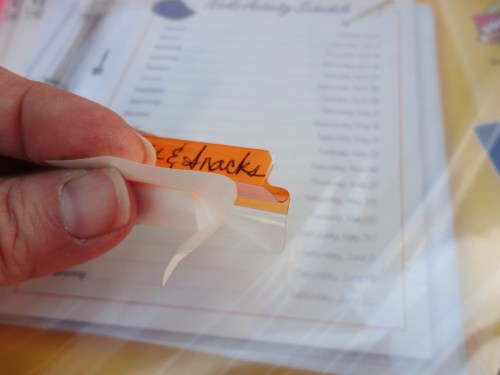
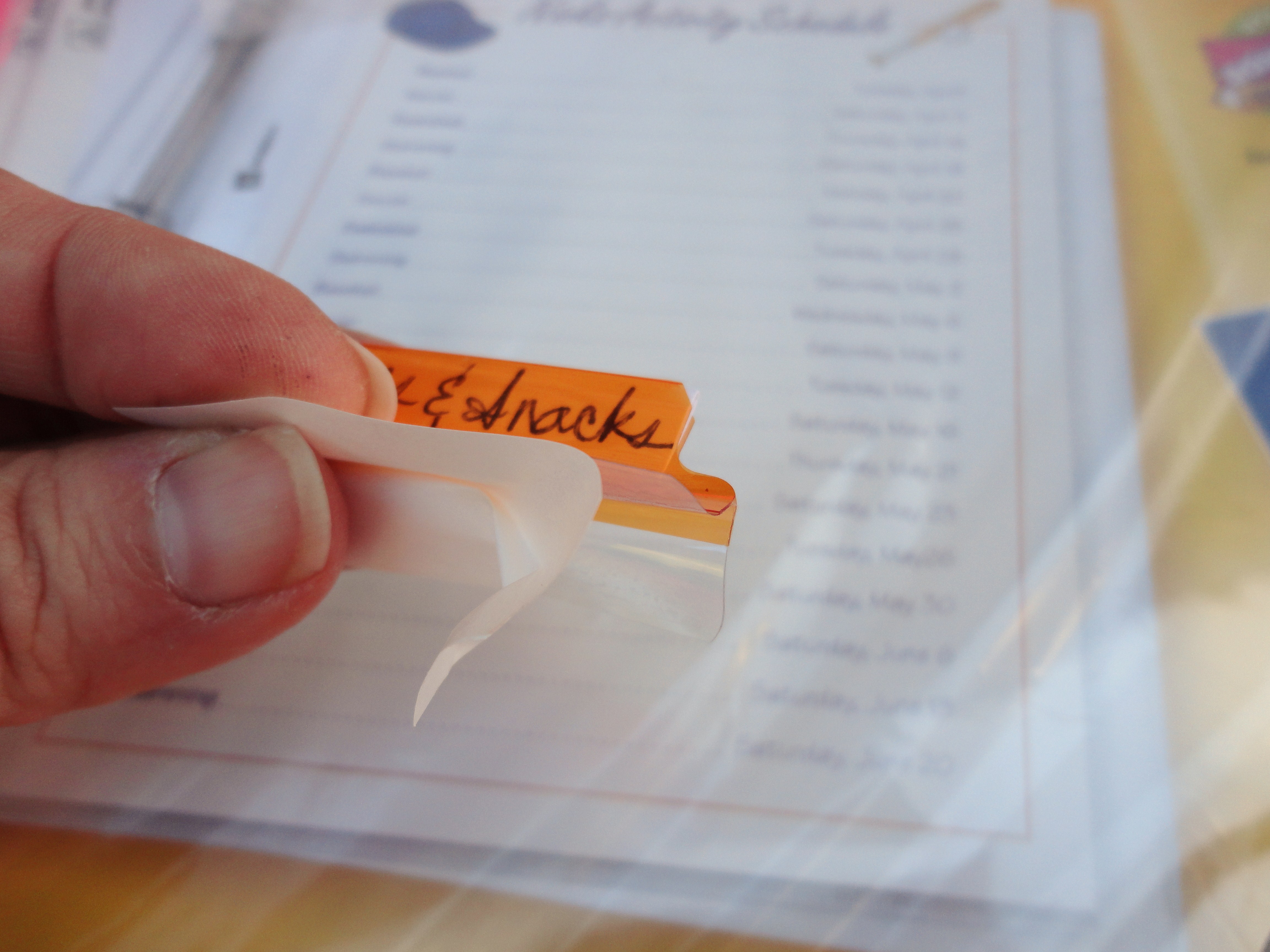
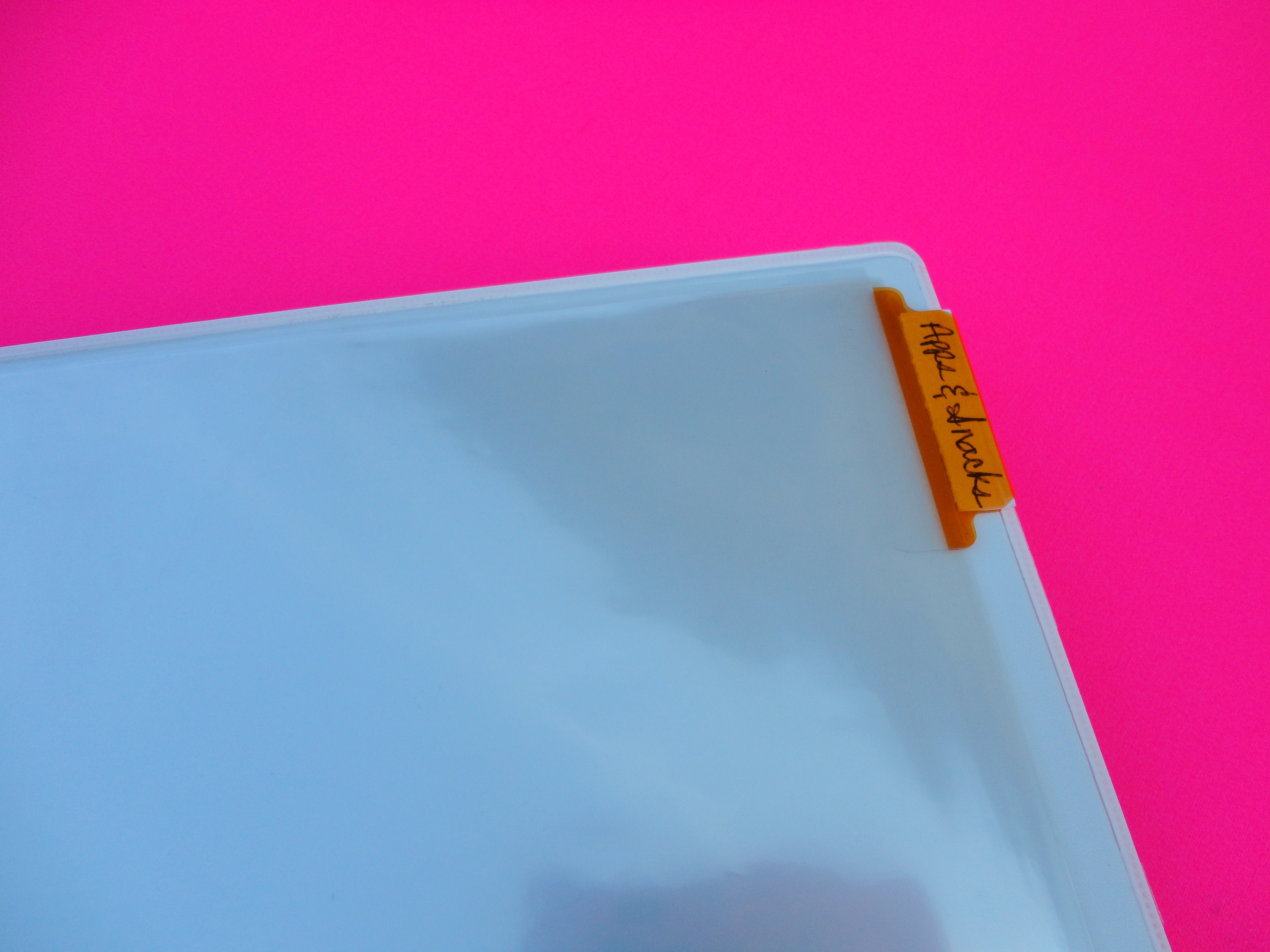
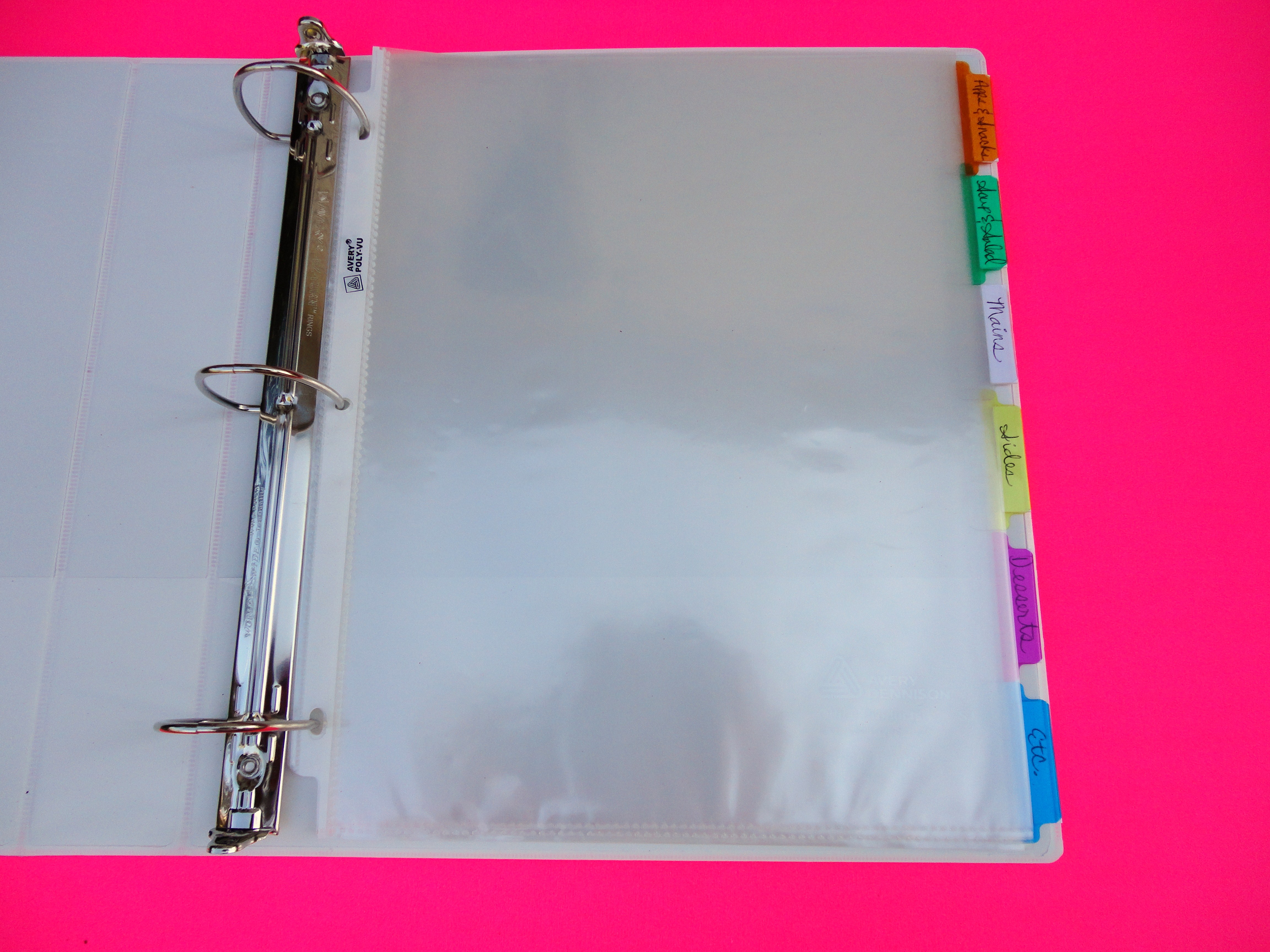
Slip the papers into your tabs and then arrange them in the order you want them to appear in your binder. Put enough page protector sheets in the binder for all the tabs. Remove the backing from the first category you want to use and slip it over the side of the first plastic sheet at the very top, then squeeze so it sticks.

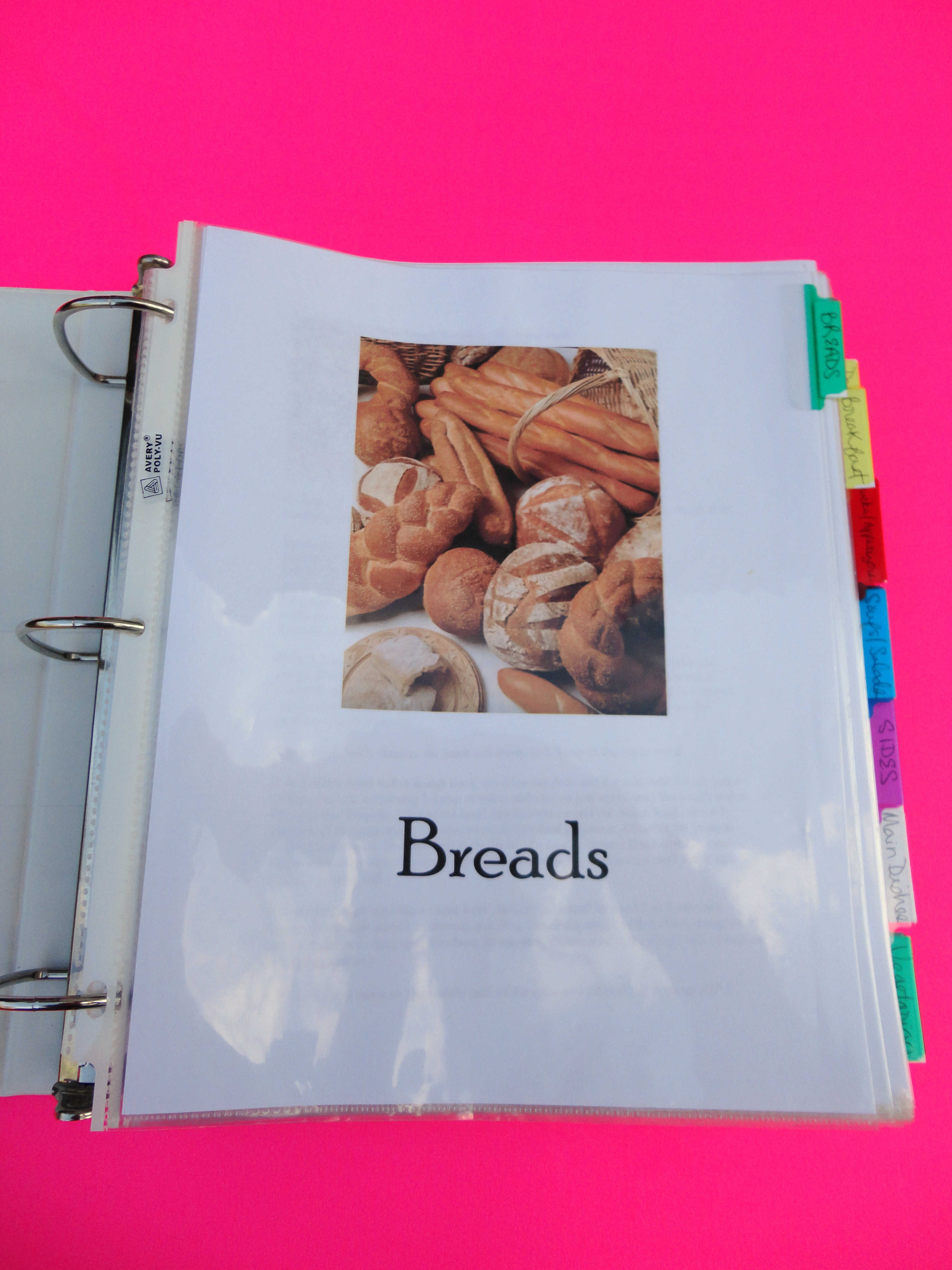
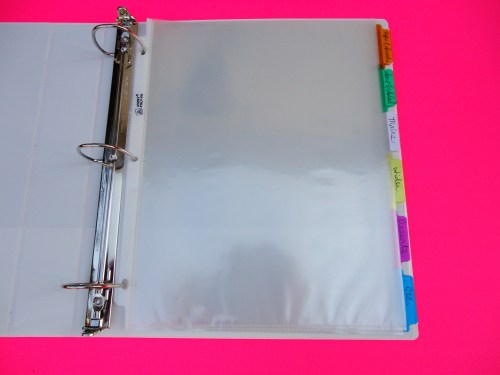
These are quite easy to remove if you mess up or want to change how high or low the tab is positioned, so don’t fret if it’s not exactly how you want it. Gently pry it off and adjust it. Repeat the process with the remaining tabs, placing each one on the sheet below the last and a bit lower on the side so it shows beneath the tab before it. Soon you will have a binder that looks like this:
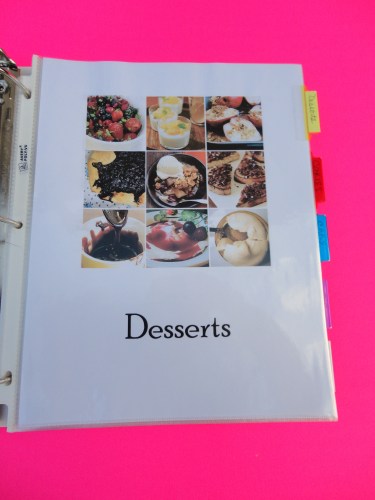
If you like, you can create title pages for each recipe category, as I did. I searched for images using Google, then copied the ones I liked into a Word document and used the same font that I used on the front of my binder to type the category title below the photo.
To create the title page, I did the same thing and searched for a picture I liked (I remember searching for cooking related coloring pages and liked the old-time feel of the one I chose). For the side title, I printed it in a Word document in landscape format in the middle of the page, then folded it to fit the pocket, and with much wailing and gnashing of teeth, I finally managed to get it in. It is difficult to get a paper in that tight spot, so you definitely want to use a folded paper for its sturdiness, or cardstock.

All that’s left is to fill the binder with recipes!

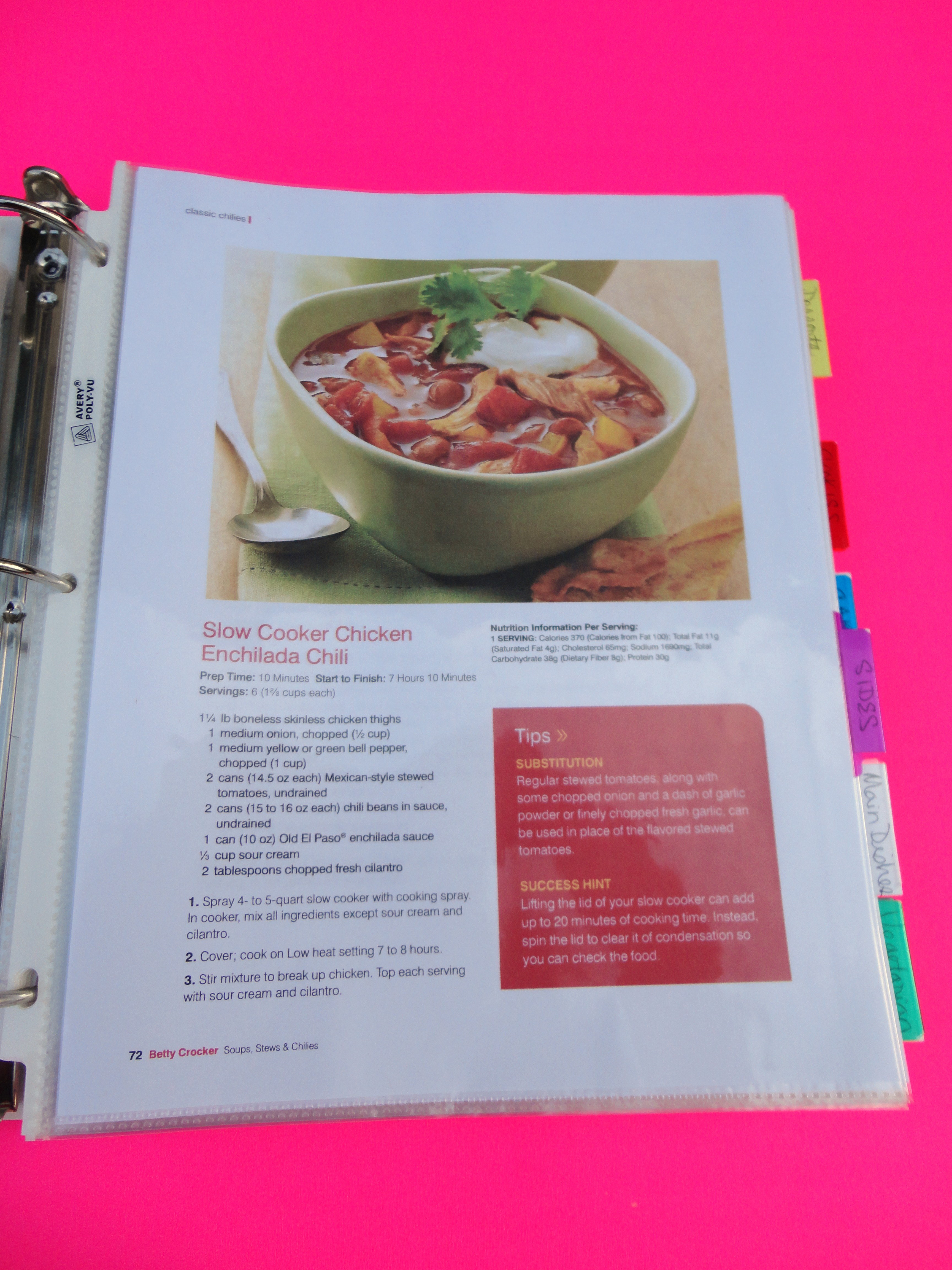
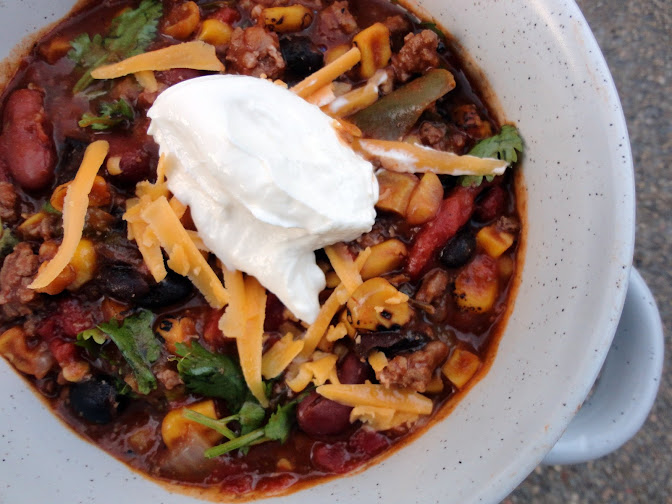
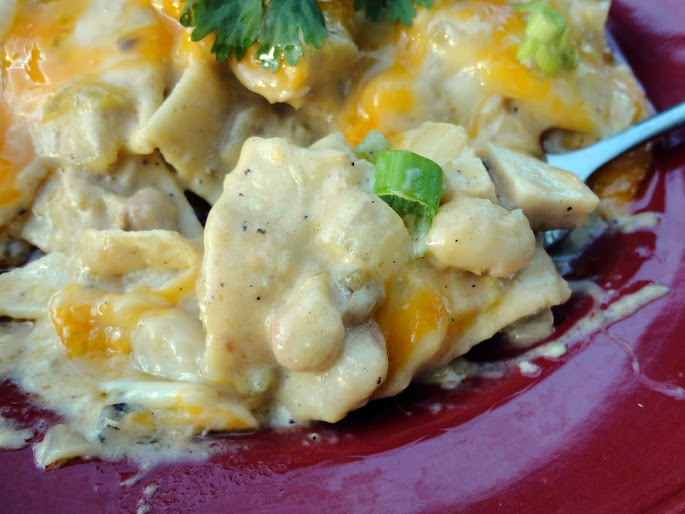
I have this slow cooker enchilada chile recipe posted here.

I put my blank page protector sheets in the front of my binder, before the recipes so that when I want to add a new one, I slip it in, then put it in the correct spot in my binder. I give each recipe its own sheet to make it easier to alphabetize them, therefore they are easier to find, but eventually I will have to start putting two recipes into each protector sheet (one facing forward, one backward) so that it doesn’t get too thick.
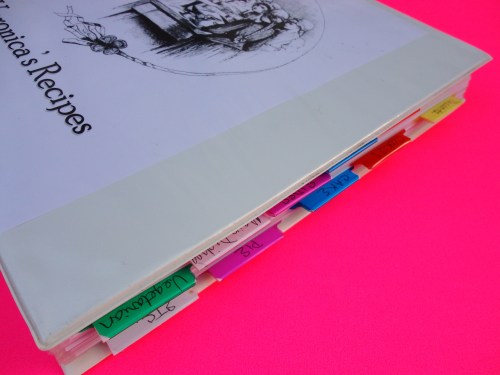
That’s about all there is to it! Very simple and quick.  What system do you use for organizing your recipes?  I also have about a million and a half saved to my computer into folders with different recipe categories!

One Minute Mayonnaise

Posted on


In the past, making homemade mayonnaise was quite a chore that involved a lot of whisking and slowly, slowly pouring oil into an egg & vinegar mixture.  Thanks to my friend, Dewey, who introduced me to the joy of homemade mayonnaise, I’ve discovered that using a food processor makes the task much faster.  Less than a minute, in fact.  Here, I’ll prove it: 


See that?  40 seconds and it’s ready to use.  And it’s even better than the best name brand mayonnaise you can purchase.  So what are you waiting for?  You have nothing to lose! 

One Minute Mayonnaise
Printable recipe 

1 egg
1 tablespoon white vinegar
1/2 teaspoon salt
1 1/2 cups canola oil 

Place the first three ingredients in food processor bowl. Measure the oil and have it ready. Turn the processor on and once the egg is mixed, begin pouring the oil through the feed tube while it’s still running. Start with a thin stream and increase the flow until all the oil is incorporated. The mayonnaise should be done by the time all the oil is in, but run it a few more seconds if it’s not thick enough.  Store in refrigerator for up to ten days. 

Veronica’s Notes: You can use any oil you wish, but you must make sure that it has ZERO bittnerness to it.  Any hint of bitterness is magnified 100-fold when you turn it into mayonnaise.  Dewey warned me but I discovered it the hard way by making my first batch with just a half cup of the olive oil I had in my pantry.  I liked the taste on it’s own, but it was slightly bitter and when turned into mayonnaise, it was terrible.  You can also use any type of acid you wish, like lemon juice or apple cider vinegar, but I like the taste of it best with white vinegar. 

Recipe source: adapted from Dewey B. 

I added 2 tablespoons fresh chopped chives to make this chive mayonnaise. 2 teaspoons dried chives could be substituted.

Quick Fish Tacos with Baja Cream

Posted on

I have several magazine subscriptions and the ones that aren’t entirely devoted to food and recipes do include recipes and by the time I’ve gone through them, they are inevitably bristling with pieces of paper I’ve used to mark those I want to try and never do.  Every once in a while, however, a recipe jumps out at me and I can’t stop thinking about it until it has been made.

Enter the May edition of Everyday Food.  As soon as I saw these fish tacos on the cover, my heart began to sing.  They were so colorful and seemed a perfect spring/summer meal.  I had to make them.

I mostly followed the recipe except I did something a little different with the sour cream, using a recipe from my friend, Kitty, whom I owe a sincere thanks to.  It is the closest thing she’s found to the cream they serve on fish tacos in Baja California and while I wouldn’t have a clue as to whether it tasted the same or not since I’ve never been to California, I can attest that it is delicious on these tacos!

From start to finish, this meal was on the table in fifteen minutes.  So easy!  So simple!  So gorgeous!  So light!  So delicious!  I often forgo simple recipes like this, believing that the more time and effort and ingredients that is involved makes the end product that much better.  As this recipe proves, that’s not always the case.

Quick Fish Tacos
Printable recipe

1 pound boneless, skinless tilapia fillets, cut into 2-inch pieces
2 Tablespoons extra-virgin olive oil
coarse salt and fresh cracked pepper
12 corn tortillas
1/2 small head red cabbage, thinly sliced
1 cup fresh cilantro
1 small white onion, finely chopped
lime wedges, for serving

Baja Cream
1/2 cup mayonnaise
1/2 cup sour cream
2 tablespoons fresh lime juice
1 teaspoon (packed) finely grated lime peel
Pinch of salt

Heat broiler, with rack in highest position. Pat fish dry with paper towels and gently coat with oil on a rimmed baking sheet. Season with salt and pepper. Broil until fish is browned on top and flesh is opaque throughout, 5 minutes.
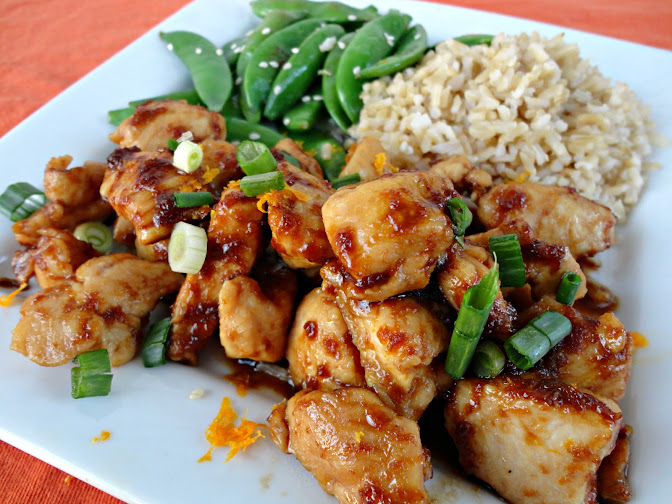
Meanwhile, mix the Baja Cream ingredients together and set aside. Toast corn tortillas over a kitchen burner using tongs or wrap a stack of 6 at a time in damp paper towels and heat in the microwave for 40 seconds to 1 minute. Divide fish evenly among tortillas and top with cabbage, cilantro, and onion. Serve with Baja cream and lime wedges. SERVES 4.

Per serving (3 tacos): 440 cal; 14.9 g fat (4.2 g sat fat); 35.9 g protein; 42.8 g carb; 6.9 g fiber (NOTE: NUTRITIONAL STATS ARE BASED ON THE ORIGINAL RECIPE, WHICH ONLY USES 1/4 CUP OF SOUR CREAM. I know, who could possibly only use ONE teaspoon of sour cream on their taco?! I need at LEAST a tablespoon-hahahahaha!)

Recipe source: adapted from “Fish Tacos with Cabbage & Lime” from Everyday Food, May 2010

Zesty Pizza Sauce

Posted on

I usually don’t follow pizza recipes because to me, pizza is a thing you kind of just throw together with whatever you happen to have on hand. I do, however, follow a recipe for sauce and it’s always, always this one. It’s my idea of a perfect pizza sauce: thick & zesty and easy to prepare. It’s perfect for any classic combination of meat and/or veggie toppings and the prep is so quick that I always do it just before I need it, usually while the pizza dough is resting, because I always forget to make it in advance.

Zesty Old School Style Pizza Sauce
Recipe from The Cooking Photographer

1 (8 ounce) can tomato sauce
1 (6 ounce) can tomato paste
1 teaspoon dried oregano
1 teaspoon dried basil
1 teaspoon garlic powder
½ teaspoon onion powder
1 teaspoon ground sweet paprika
1 teaspoon sugar
¼ teaspoon salt
Fresh cracked pepper to taste
2 Tablespoons olive oil*
1 teaspoon white vinegar

Place all the ingredients in a medium sized bowl and stir together.

Makes 1½ cups of pizza sauce, which is enough to cover two large pizzas or three medium.

*I’ve made it with the full 2 T of oil, but lately have begun using just 2 teaspoons. I can’t say I prefer one over the other so if you’re looking to save some calories, you might do the same.

Quick & Easy Pumpkin Cupcakes

Posted on

http://a1.ec-images.myspacecdn.com/images02/71/5ea44b37035145b39b48d97919d47ad8/l.jpg
These aren’t your typical pumpkin muffins disguised as cupcakes with a swirl of frosting.  Using a cake mix not only makes these a cinch to throw together, but gives the desired light texture of a cupcake.
Libby’s Quick & Easy Pumpkin Cupcakes
from www.verybestbaking.com
1 (18.25 oz) spice cake mix
1 can (15 oz) Libby’s 100% pure pumpkin
3 large eggs
1/3 cup vegetable oil
1/3 cup water
1 container (16 oz) prepared cream cheese or vanilla frosting (I made my own with this recipe)

PREHEAT oven to 350° F. Paper-line or grease 24 muffin cups.

BLEND cake mix, pumpkin, eggs, oil and water in large mixer bowl until moistened. Beat on medium speed for 2 minutes. Pour batter into prepared muffin cups, filling 3/4 full.

BAKE for 18 to 23 minutes or until wooden pick inserted in center comes out clean (mine were done in 17 minutes). Cool in pans on wire racks for 10 minutes; remove to wire racks to cool completely. Spread cupcakes with frosting. Decorate with assorted sprinkles, if desired.

http://a4.ec-images.myspacecdn.com/images02/66/6b481a588ab94510b9a0cfba723c3c2b/l.jpg

YUMMY!!!

I used pumpkin spice icecream topping to drizzle over the top of those in the photo before the recipe.  It’s a seasonal item and if you can’t find it, you could use caramel topping and mix in some pumpkin butter & spices.


Follow

Get every new post delivered to your Inbox.

Join 2,575 other followers

%d bloggers like this: